

Kuwait, yang sering dikenali kerana latar langit moden dan ekonomi kaya minyak, juga merupakan negara yang kaya dengan tradisi dan kebanggaan budaya. Di sebalik pusat membeli-belah dan tepi lautnya, negara ini meraikan identitinya dengan festival berwarna-warni dan acara yang meriah. Bagi para pelancong, festival-festival ini menawarkan peluang sempurna untuk berhubung dengan kehidupan tempatan dan menyaksikan budaya Kuwait dengan dekat.
Dari perarakan patriotik hingga festival warisan, Kuwait mempunyai sesuatu yang unik untuk ditawarkan kepada setiap pengunjung. Sama ada anda sedang berjalan melalui souq yang meriah, menikmati persembahan jalanan, atau mencuba masakan tradisional, setiap perayaan membawa semangat hangat negara ini kepada kehidupan. Di bawah ini, kami meneroka festival-festival paling menarik di Kuwait dan aktiviti-aktiviti yang boleh anda nikmati semasa sorotan budaya ini.
Hari Kebangsaan dan Hari Pembebasan (25–26 Februari)
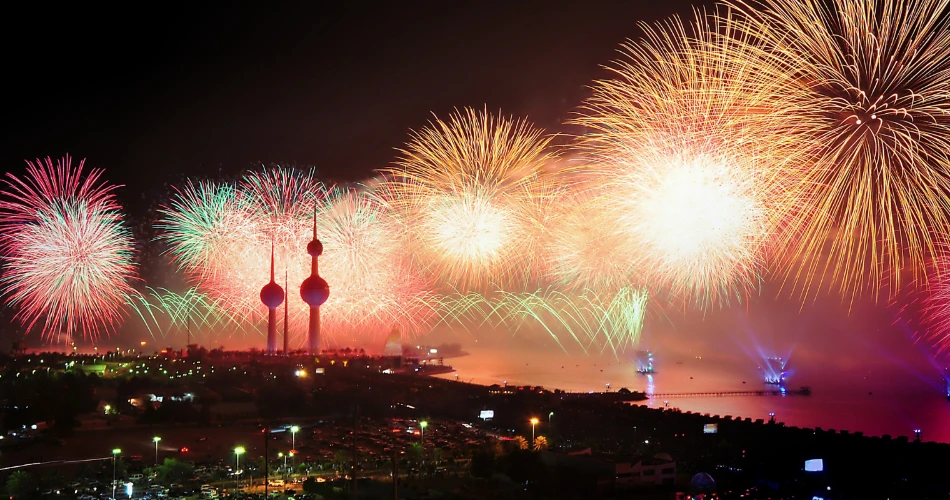
Mungkin waktu yang paling bersemangat untuk berada di Kuwait adalah pada akhir Februari ketika seluruh negara menyala untuk Hari Kebangsaan (25 Februari) dan Hari Pembebasan (26 Februari). Jalan-jalan, bangunan, dan bahkan kereta dihias dengan bendera Kuwait, sementara keluarga berkumpul di luar untuk merayakan dengan pertunjukan bunga api, muzik, dan perarakan.
Aktiviti untuk Dilakukan:
-
Saksikan pertunjukan bunga api di Menara Kuwait atau sepanjang Jalan Teluk Arab, di mana langit bandar bercahaya dengan warna.
-
Sertai perarakan yang mempamerkan pakaian tradisional, tarian, dan perarakan tentera berhampiran Kota Kuwait.
-
Kunjungi Souq Al-Mubarakiya untuk membeli-belah perayaan, makanan jalanan, dan persembahan budaya.
Tempoh ini adalah masa terbaik untuk merasai semangat kebangsaan Kuwait dan kegembiraan komuniti, menjadikannya satu kemestian bagi setiap pelawat.
Festival Hala Februari
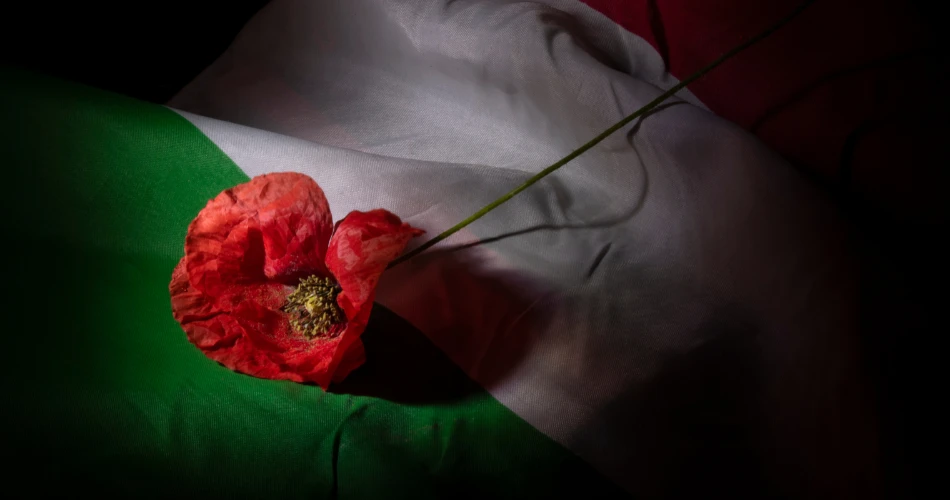
Festival Hala Februari adalah salah satu acara yang paling popular di negara ini, diadakan sepanjang bulan Februari. Ia merupakan sambutan budaya dan komersial, menggabungkan diskaun membeli-belah, konsert, dan aktiviti keluarga dengan pertunjukan tradisional.
Aktiviti yang Boleh Dilakukan:
-
Nikmati muzik secara langsung dan persembahan di 360 Mall dan The Avenues Mall, di mana artis tempatan dan antarabangsa membuat persembahan.
-
Beli-belah dengan diskaun mega di pusat membeli-belah dan pasar di seluruh Kota Kuwait.
-
Bawa anak-anak ke taman hiburan seperti Taman Rekreasi Al Sha’ab, yang menganjurkan permainan khas dan permainan karnival semasa festival.
Dengan hiburan untuk setiap usia, ini adalah masa yang sempurna untuk merasai suasana moden Kuwait bersama warisan budayanya.
Perayaan Ramadan dan Eid
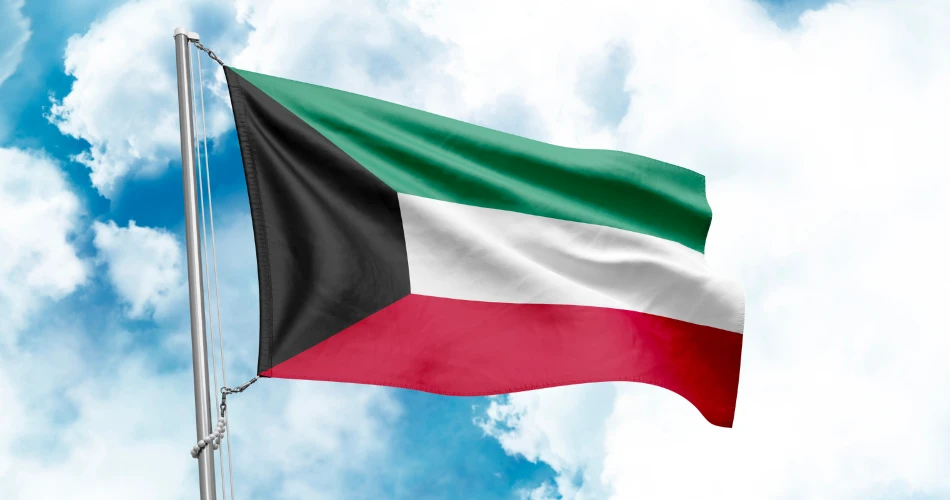
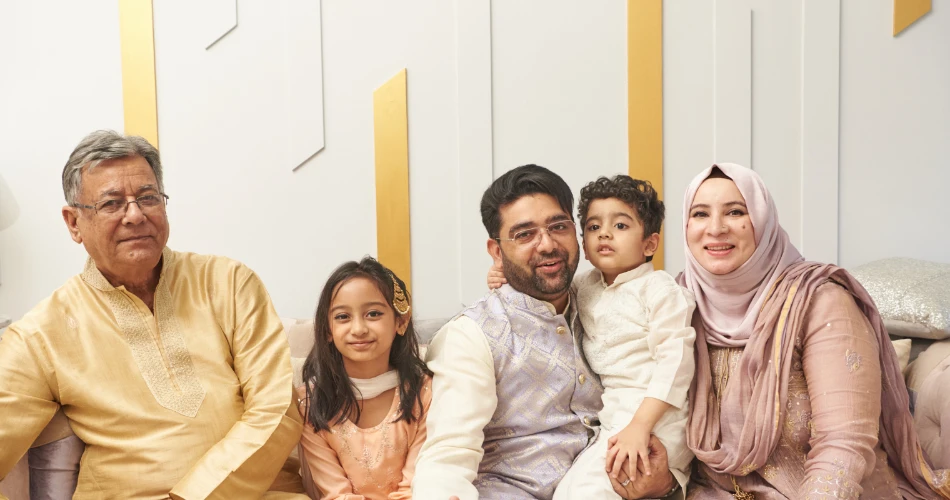
Ramadan di Kuwait adalah satu tempoh yang sangat spiritual, namun ia juga dipenuhi dengan kehangatan komuniti dan kemurahan hati. Bulan suci ini diikuti dengan Eid al-Fitr, satu perayaan meriah yang ditandai dengan pertemuan keluarga, manisan, dan amal. Kemudian dalam tahun ini, Eid al-Adha diraikan dengan kegembiraan yang sama.
Aktiviti yang Perlu Dilakukan:
-
Sertai bufet iftar malam di hotel mewah seperti Sheraton Kuwait atau restoran tradisional seperti Freej Swaileh.
-
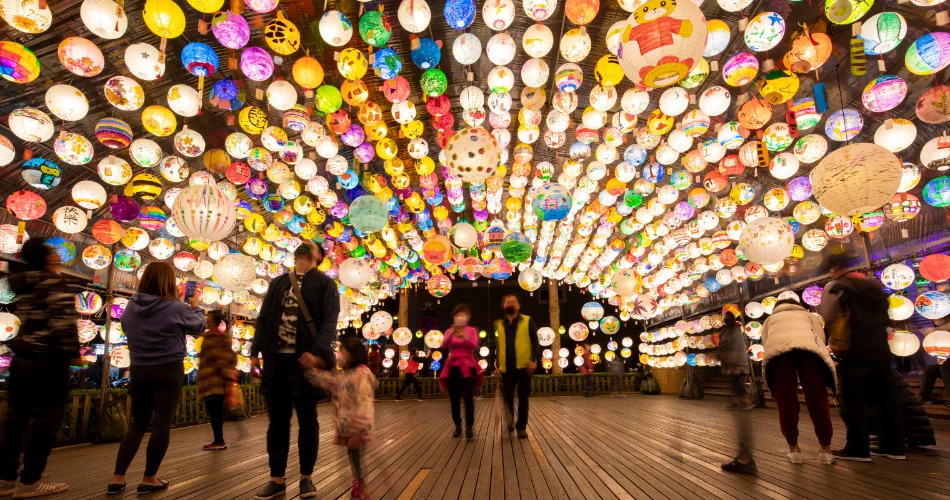
Berkeliling melalui souq seperti Souq Al-Mubarakiya pada waktu malam, di mana suasananya meriah dengan lampu-lampu dan lentera.
-
Nikmati manisan dan pencuci mulut seperti luqaimat dan kurma, yang tersedia di kedai roti di seluruh Kota Kuwait.
Bagi pengunjung, mengalami malam Ramadan adalah cara yang tidak dapat dilupakan untuk memahami hospitaliti dan tradisi budaya Kuwait.
Festival Kebudayaan Qurain
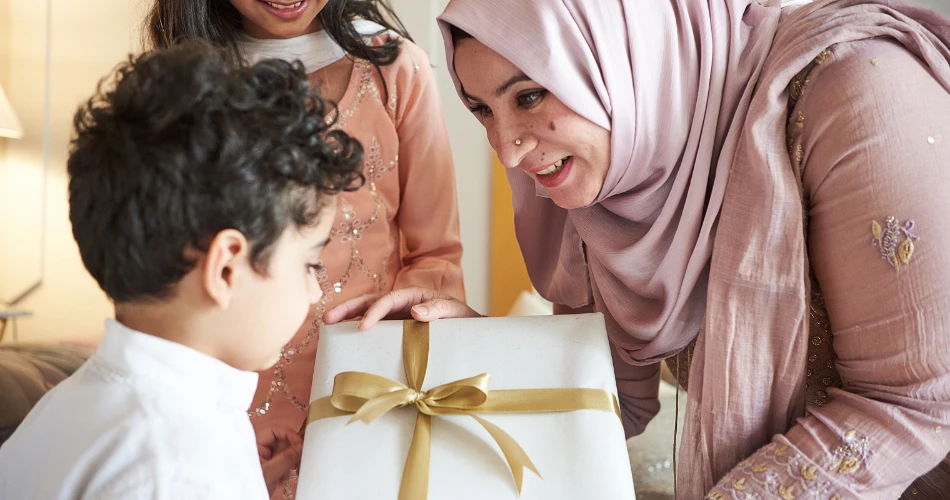
Festival Kebudayaan Qurain, yang biasanya diadakan pada bulan Januari, merayakan seni, muzik, dan warisan yang kaya di Kuwait. Ia menampilkan pameran, bacaan puisi, dan persembahan tradisional yang mempamerkan sisi kreatif negara ini.
Aktiviti yang Perlu Dilakukan:
-
Hadiri pameran seni di Pusat Kebudayaan Amricani dan Pusat Kebudayaan Sheikh Jaber Al-Ahmad.
-
Dengarkan acara puisi dan muzik secara langsung di dewan kebudayaan di Kota Kuwait.
-
Jelajahi muzium seperti Muzium Nasional Kuwait, di mana pameran khas sering menjadi sebahagian daripada festival.
Festival ini adalah ideal untuk pengembara yang berminat dalam seni dan yang ingin memahami dengan lebih mendalam tentang komuniti kreatif di Kuwait.
Perpustakaan Antarabangsa Kuwait
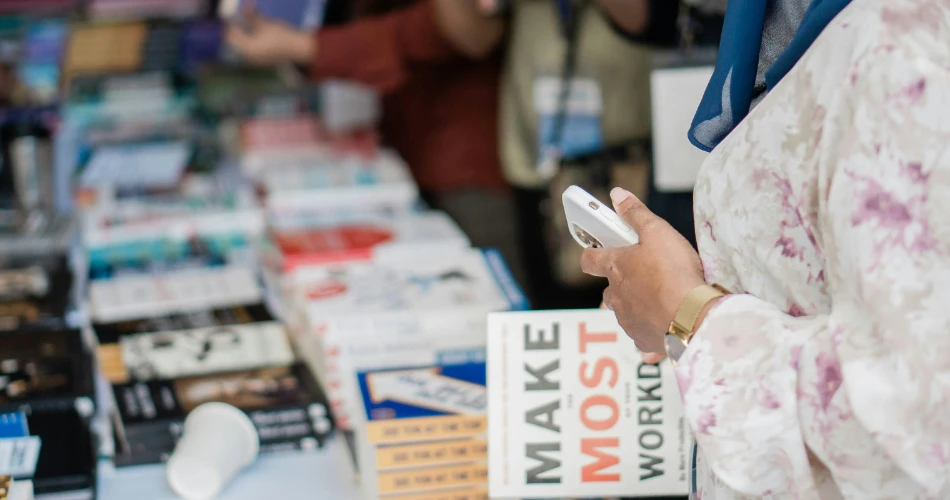
Untuk pencinta buku, Perpustakaan Antarabangsa Kuwait adalah salah satu acara sastera terbesar di rantau ini. Ia mengumpulkan penerbit, penulis, dan pembaca dari seluruh dunia Arab.
Aktiviti yang Perlu Dilakukan:
-
Telah melayari buku-buku antarabangsa dan Arab di Tapak Pameran Antarabangsa Kuwait di Mishref.
-
Hadiri sesi tandatangan buku dan ceramah bersama penulis tempatan dan antarabangsa.
-
Dapatkan buku kanak-kanak dan terokai sesi penceritaan kreatif, sempurna untuk keluarga yang bercuti dengan anak-anak.
Ia bukan sekadar mengenai buku—ia adalah pertukaran budaya yang menonjolkan keterbukaan Kuwait terhadap pengetahuan dan idea.
Festival Souq Tradisional
Sepanjang tahun, Kuwait menganjurkan pasar bermusim dan festival souq, yang meraikan sejarah perdagangan negara dan tradisi Bedouin.
Aktiviti untuk Dilakukan:
-
Melawat Souq Al-Mubarakiya untuk pakaian tradisional, rempah ratus, dan kraf buatan tangan.
-
Meneroka Rumah Sadu, di mana festival dan bengkel tenunan menonjolkan warisan tekstil Kuwait.
-
Mencuba hidangan tempatan seperti machboos, harees, dan ikan bakar di gerai makanan semasa festival pasar.
Acara yang lebih kecil tetapi meriah ini sangat baik untuk mengalami kehidupan tempatan yang autentik di luar kawasan pelancongan.
Tips untuk Pelawat yang Menghadiri Festival di Kuwait
-
Berpakaian Sederhana: Kuwait adalah negara yang konservatif dari segi budaya, jadi pilihlah pakaian yang selesa tetapi sederhana, terutama semasa festival agama.
-
Rancang Awal: Acara seperti Hari Kebangsaan dan Hala Februari menarik ramai pengunjung, jadi tempah hotel berhampiran Bandar Kuwait lebih awal.
-
Gunakan Ruang Awam: Banyak perayaan, terutamanya perarakan dan pertunjukan bunga api, diadakan di sepanjang Jalan Teluk Arab dan taman awam—sesuai untuk dinikmati bersama keluarga.
-
Bertindak dengan Hormat: Sertai aktiviti, tetapi perhatikan tradisi budaya, terutama semasa Ramadan.
Kesimpulan
Festival dan perayaan di Kuwait lebih daripada sekadar acara—ia adalah tingkap ke dalam identiti, tradisi, dan keramahan negara. Dari kemegahan perarakan Hari Kebangsaan hingga kehangatan komuniti malam Ramadan, setiap kesempatan menawarkan pelancong peluang untuk berhubung dengan jiwa Kuwait. Sama ada anda meneroka souq yang berwarna-warni, menghadiri persembahan budaya, atau sekadar menikmati tenaga meriah di jalanan, perayaan ini akan meninggalkan kenangan yang berkekalan.
Jika anda merancang untuk melawat, aturkan perjalanan anda sekitar festival-festival ini untuk mengalami Kuwait pada saat paling meriahnya. Lagipun, cara terbaik untuk benar-benar mengenali sebuah negara adalah dengan merayakannya bersama rakyatnya.